Bringing Life to the Cemetery

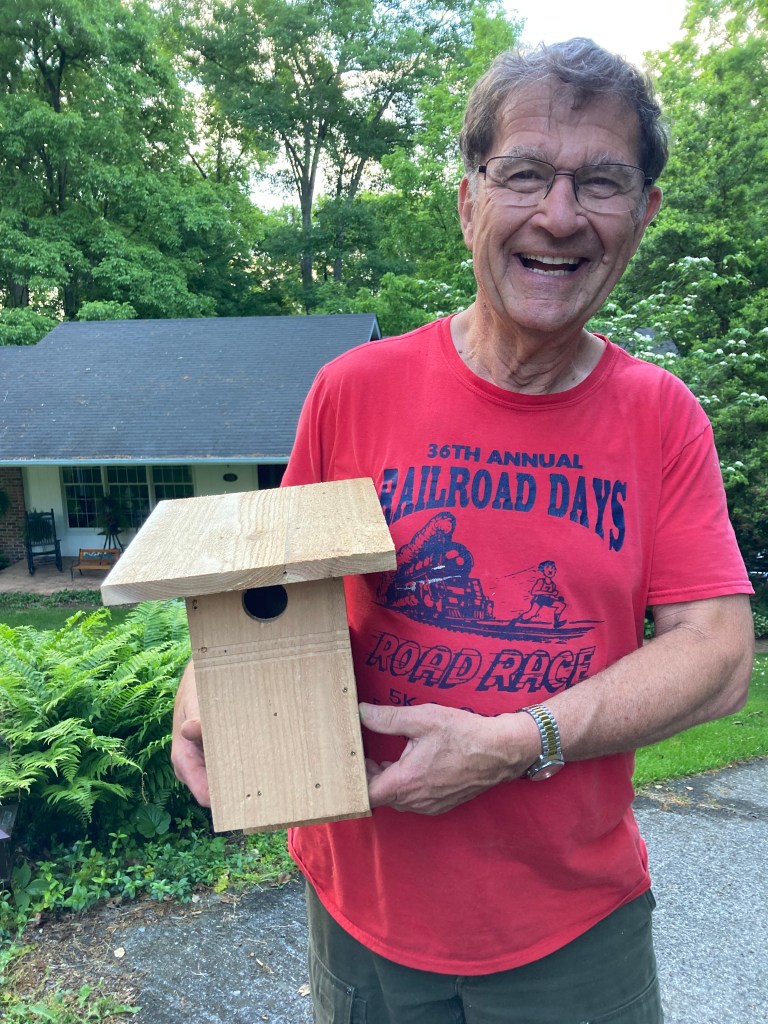
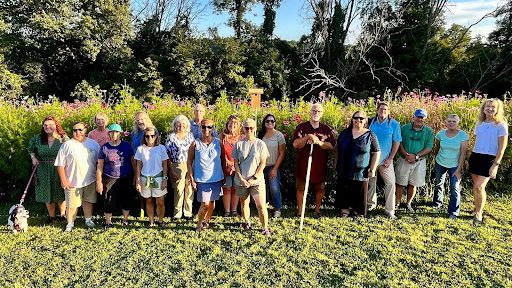
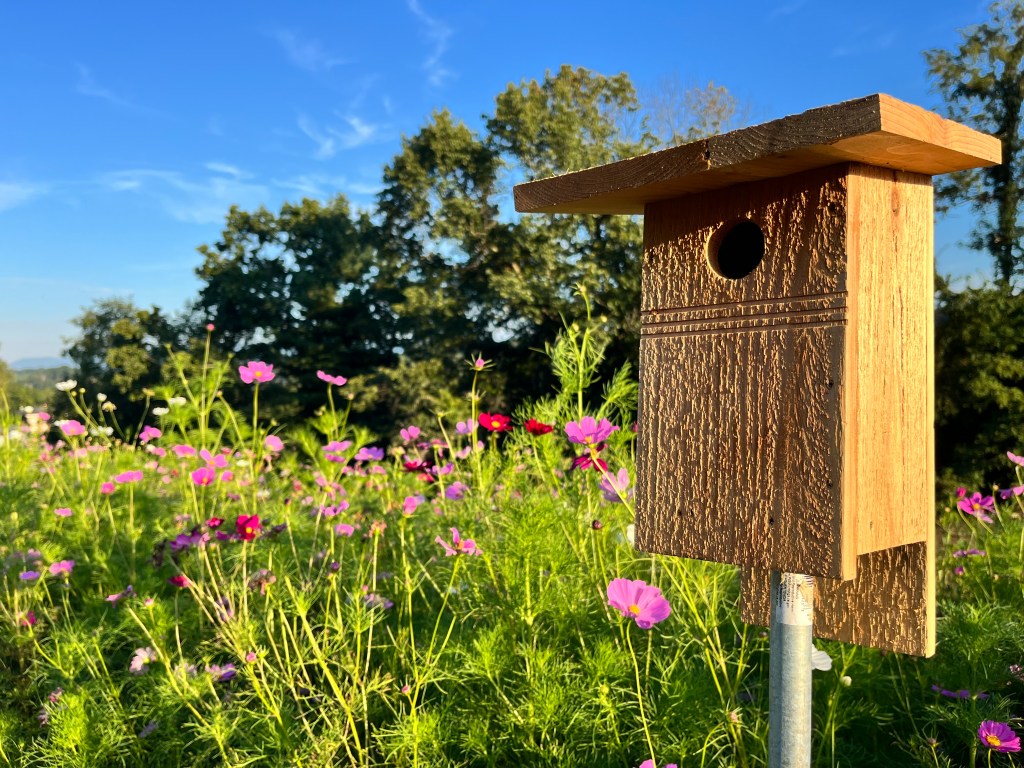
HRVMN Volunteers installed a Bluebird House in memory of beloved volunteer, Randy Smith. The bird house is very near Randy’s grave.

The “rewilding” of cemeteries is getting more attention these days, as is evidenced by this New York Times article. So when the Emory & Henry-Holston Conference cemetery started looking for a way to reduce mowing of unused space, there were clever plans that came together.

The E&H Cemetery Board voted unanimously to try to use that space for something more natural. A local Nature Conservancy staffer suggested a program championed by US Fish and Wildlife called their Partners program. Together with the Canaan Valley Institute, they help landowners rewild some of their property — creating native plant habitat that not only benefits wildlife but also water quality.

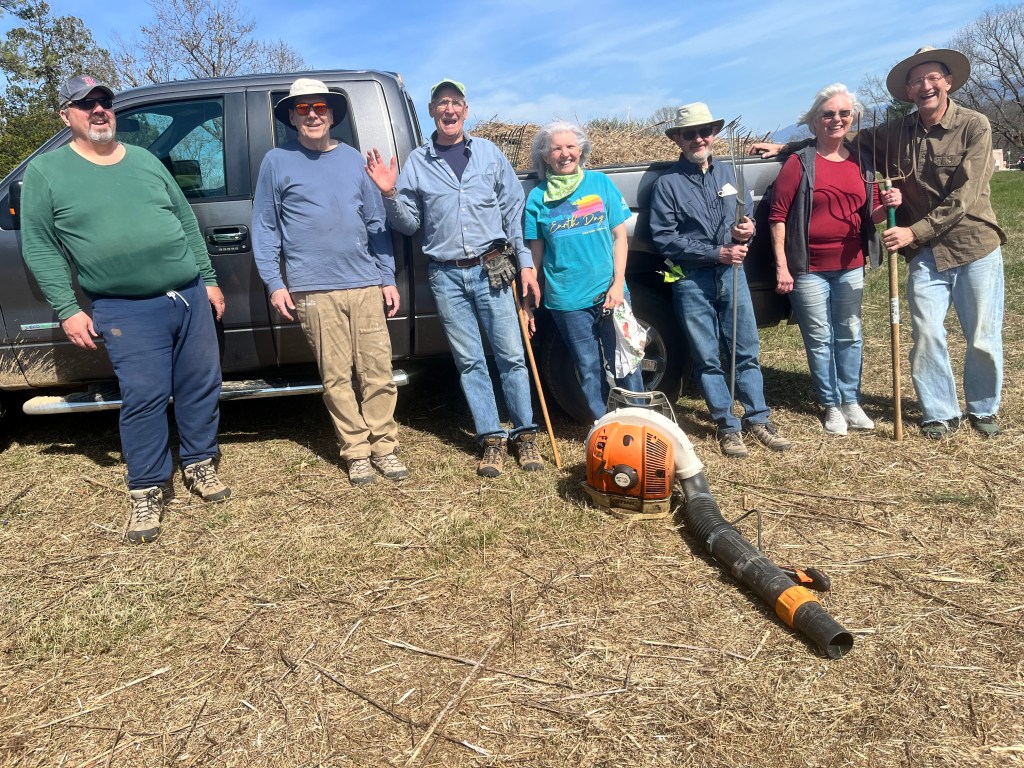
Almost 3 acres in the E&H-Holston Conference Cemetery have been turned into a native plant meadow. VMN volunteers dedicate hours of service to reducing invasive plants along the perimeter and planting native plants and trees. Cemetery bird walks are offered to the community. Educational articles have been shared in local news outlets. And letters that go out annually to folks with plots in the cemetery are filled with educational information about the work being done for the environment in this location.

So far, more than 100 hours have been clocked doing cemetery stewardship, and volunteers are excited about spring weather to get back to cutting privet. Well…maybe excited isn’t exactly the right word. 🙂
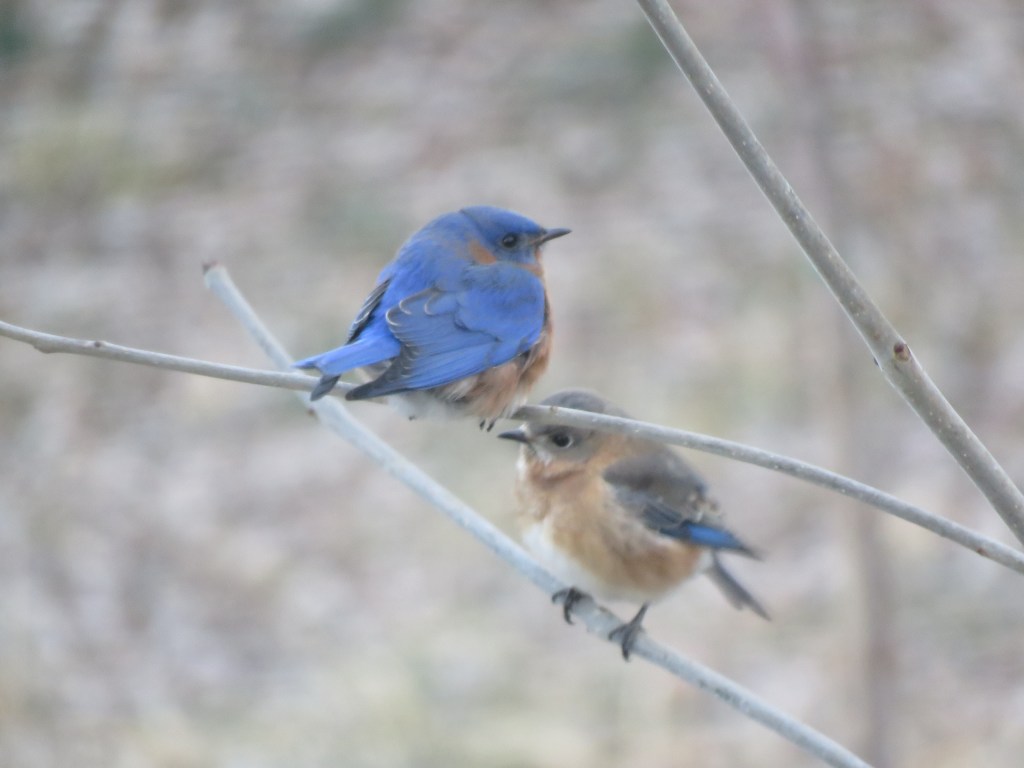
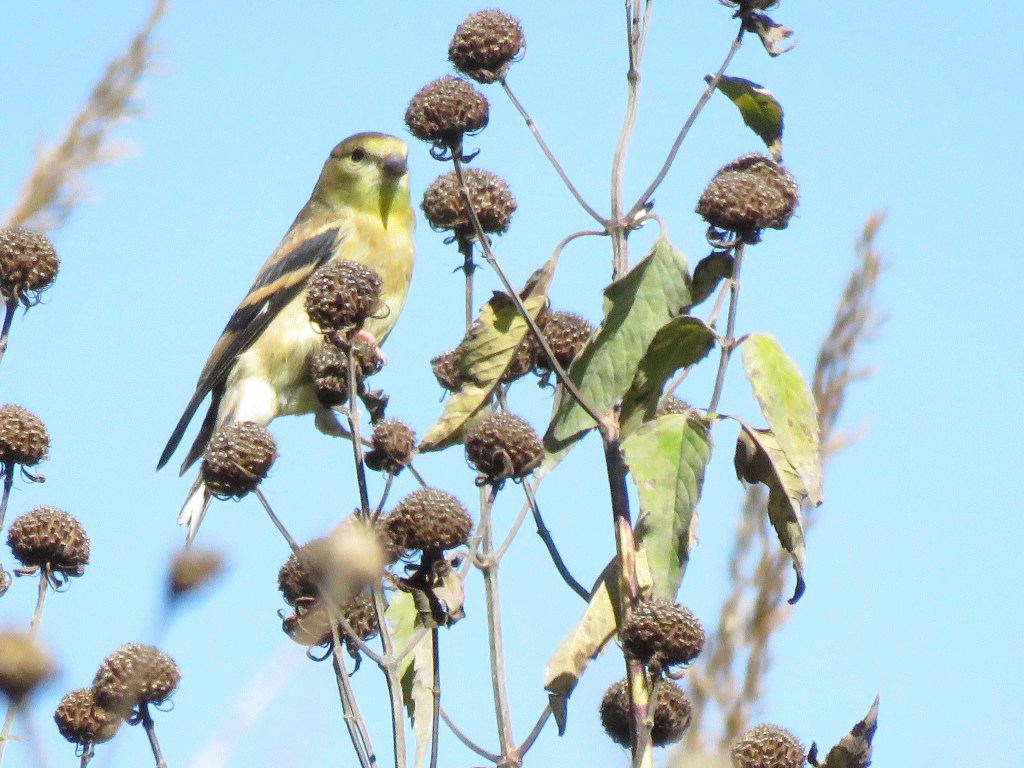
Bluebirds, Goldfinches, Field Sparrows, Song Sparrows and more are seen feeding on the winter stalks found in the cemetery meadow.
Four bluebird boxes have been added to the cemetery meadow so far, and each box was host to a family birds in the summer of 2024.
The cemetery Bluebird boxes were built by Gate City resident, Bucky Claybaugh.
The meadow project had a little set back when someone decided to be “helpful” and mowed the meadow down during the dormant season. Hard-working volunteers spent many hours removing the thick thatch created by this event so that new flowers could pop out in the spring — and they did! The meadow will be cut or burned with some regularity, but that is a decision that will be made in conjunction with the project managers, US Fish and Wildlife. Also, it’s important to remember that event those dormant stalks are providing food and shelter for native birds and small mammals like Fox Squirrels, Foxes, and Bunnies.
American Goldfinch eating the seats from dormant flower stalks.
Research is being conducted and data collected in the cemetery meadow by student interns like Mendy Bechtold, VMN volunteer Russ McDaniel, and E&H faculty member Dr. Mark Burnham. Evidence for an increase in biodiversity in the unmowed section is mounting up after only 2 seasons of growth. (photo, Mendy Bechtold)
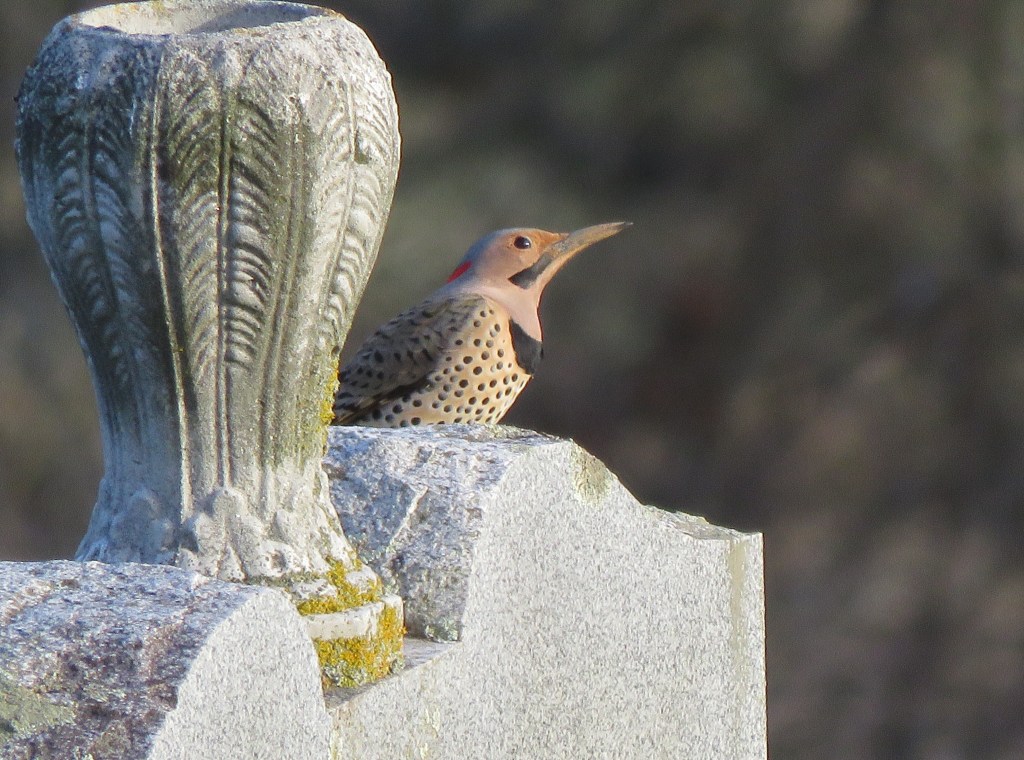
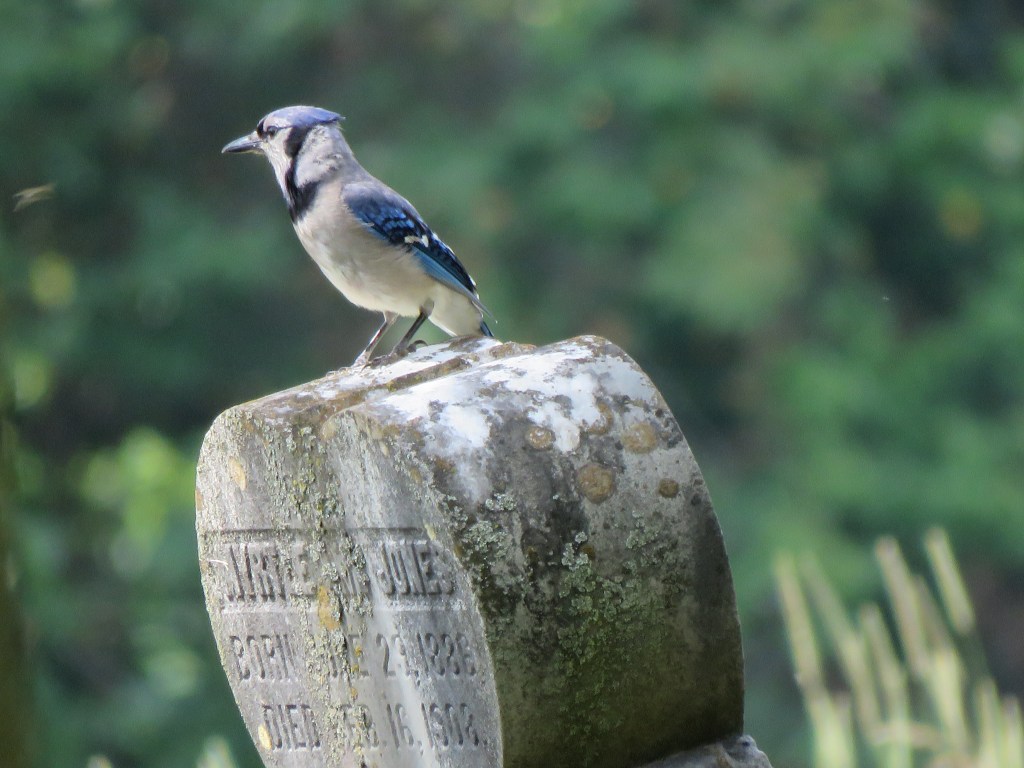
When trees are trimmed in the cemetery, some are left as “snags” to provide support for cavity nesting birds, like these Northern Flickers found routinely in the cemetery. There was also a Flicker nest found there in the summer of 2024 during a cemetery bird walk.
Turns out, there’s a lot of life in the cemetery!

Salty Bird Success!

With more than 100 participants, HRVMN volunteers are calling the first Salty Bird Festival a hit!

Aimed at getting kids in the community excited about living in such an incredible biodiversity hot spot, the first ever Salty Bird Festival (September 22, 2024) had HRVMN volunteers lined up next to the famous Saltville Well Fields (DWR Bird and Wildlife Trail number MCM 02) to offer education about bird species, bird songs, bird habitat, bird bones, bird books, bird crafts, bird everything!

We were especially grateful for event partners that included the Saltville Public Library, Museum of the Middle Appalachians. and the Smyth County Chamber of Commerce.

Plans are underway for the second annual Salty Bird Festival on October 4, 2024. There is discussion of expanding the event to include a lecture for adults on Friday evening, and a community bird walk on Sunday morning. STAY TUNED FOR DETAILS!

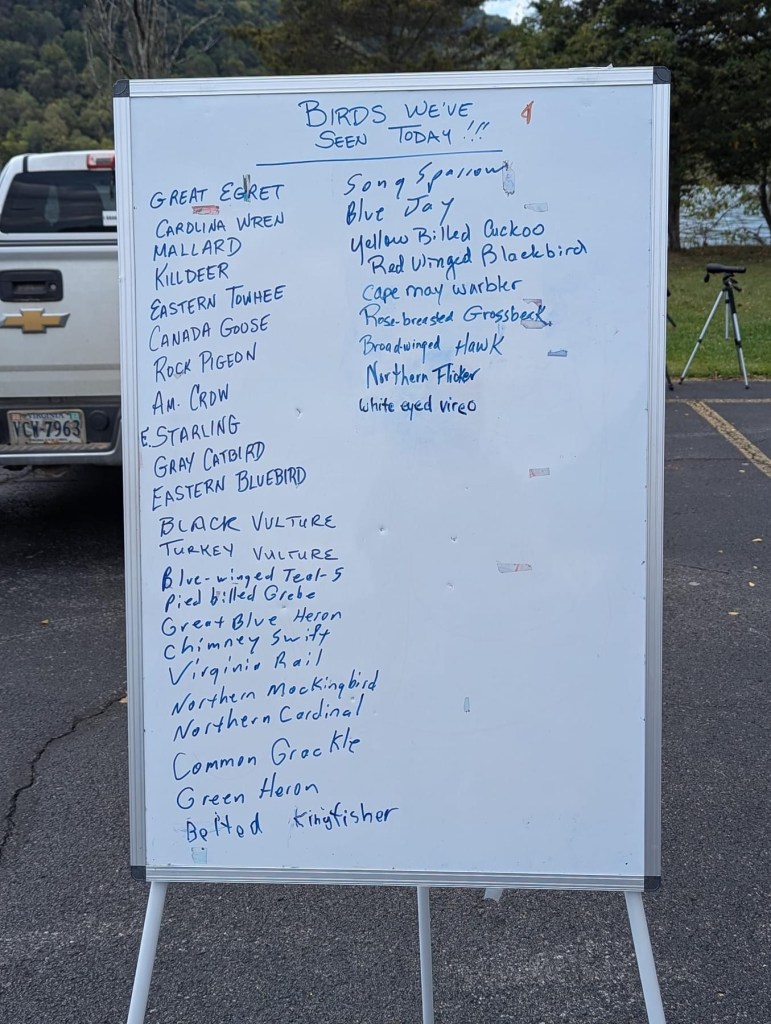
Participants kept a running list of birds seen during the event. We were especially excited about a Yello-billed Cuckoo who posed in the parking lot for a good look!

Volunteer Jill Henderson had a fun game to help learn about bird songs. See that Blue Jay taped to her tent? Kids were encouraged to check off Bingo card squares with birds and if they checked off at least three, they could go to the Saltville Public Library booth for a free book and they could get a door prize from the Salty Bird welcome tent!

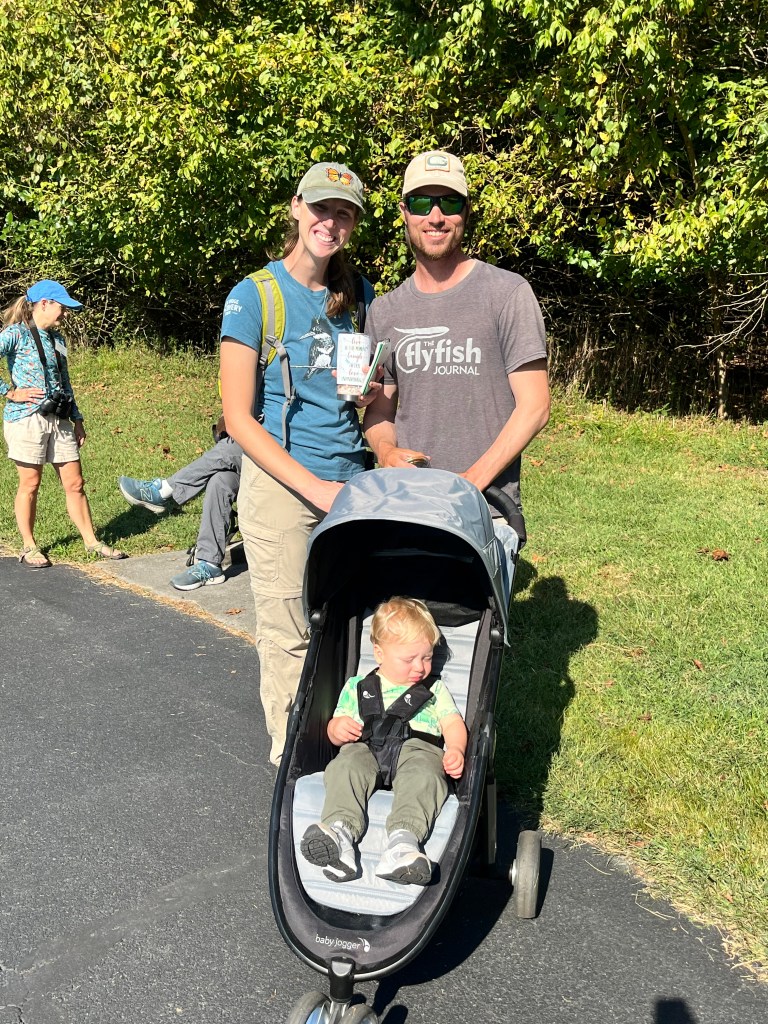
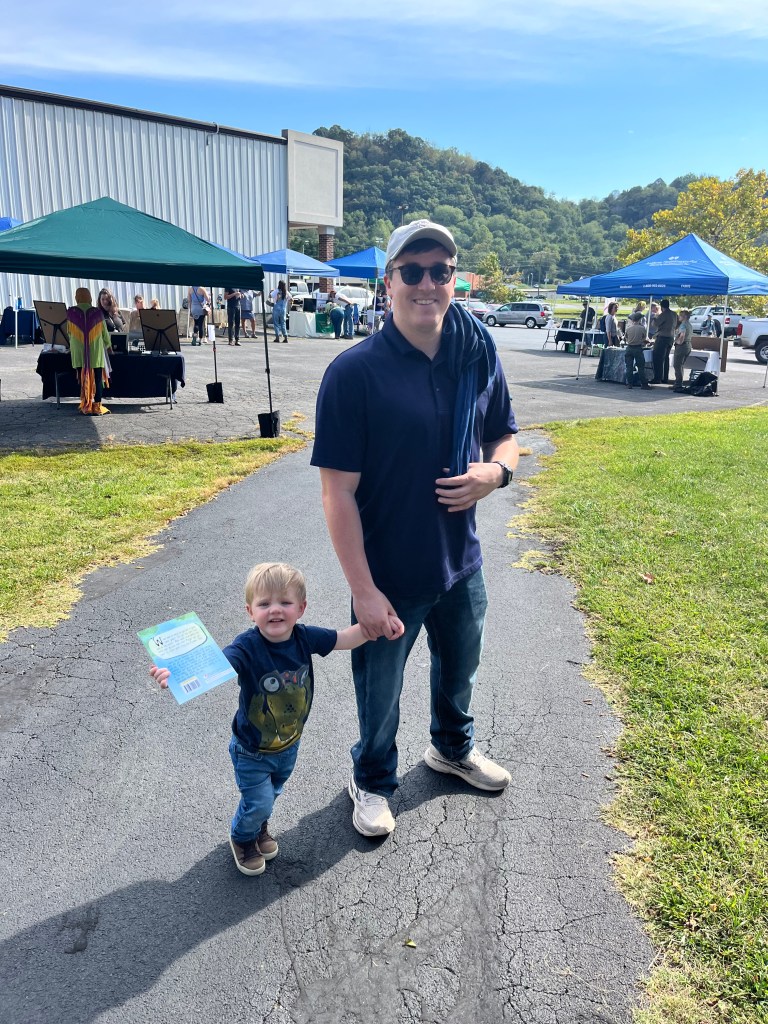
So many young families attended!

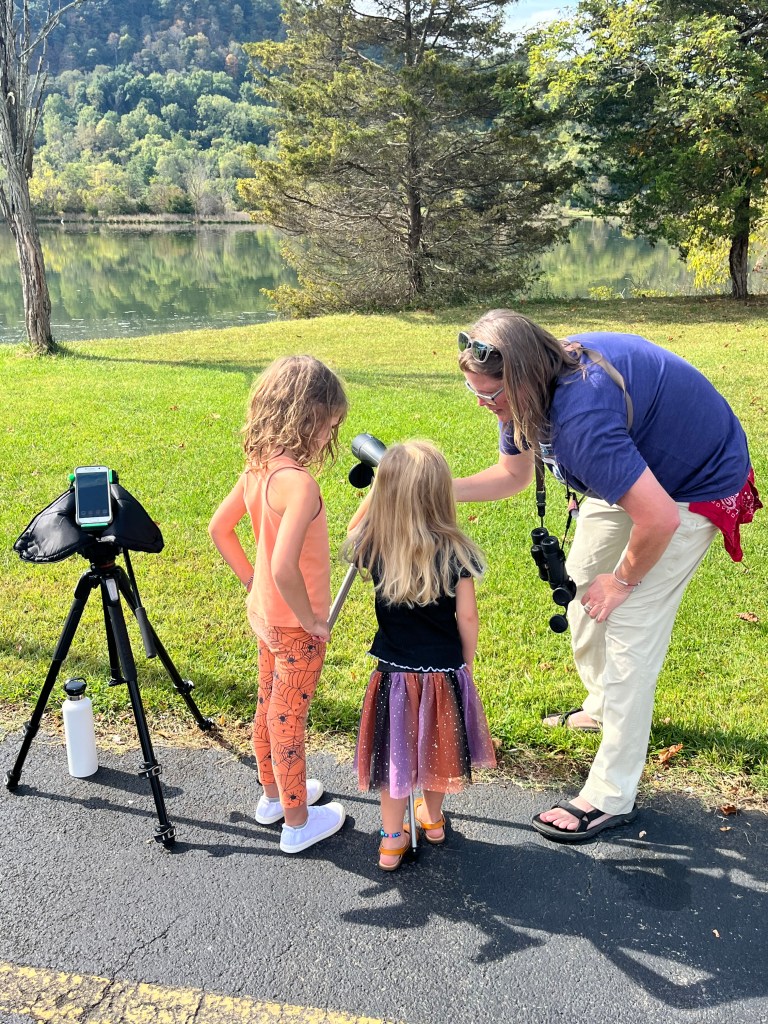
HRVMN volunteer Katie Cordle got to show some tiny birders how to use a spotting scope on a Great Egret who happily posed for the event!

Showing us his bird book, this little fella’s great grandmother is the namesake for the trail at the Well Fields: The Helen Barbrow Trail.

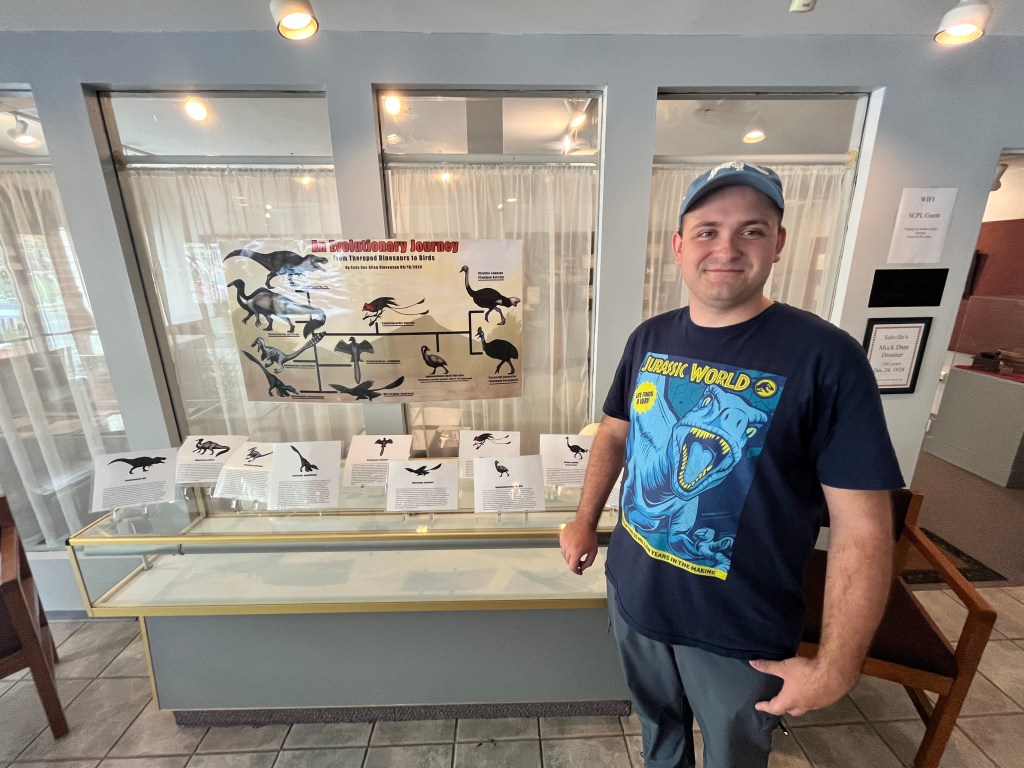
Cody Stevenson is an E&H grad working at the Museum of the Middle Appalachians. He used his amazing digital art skills to create a poster that shows how birds evolved from dinosaurs!

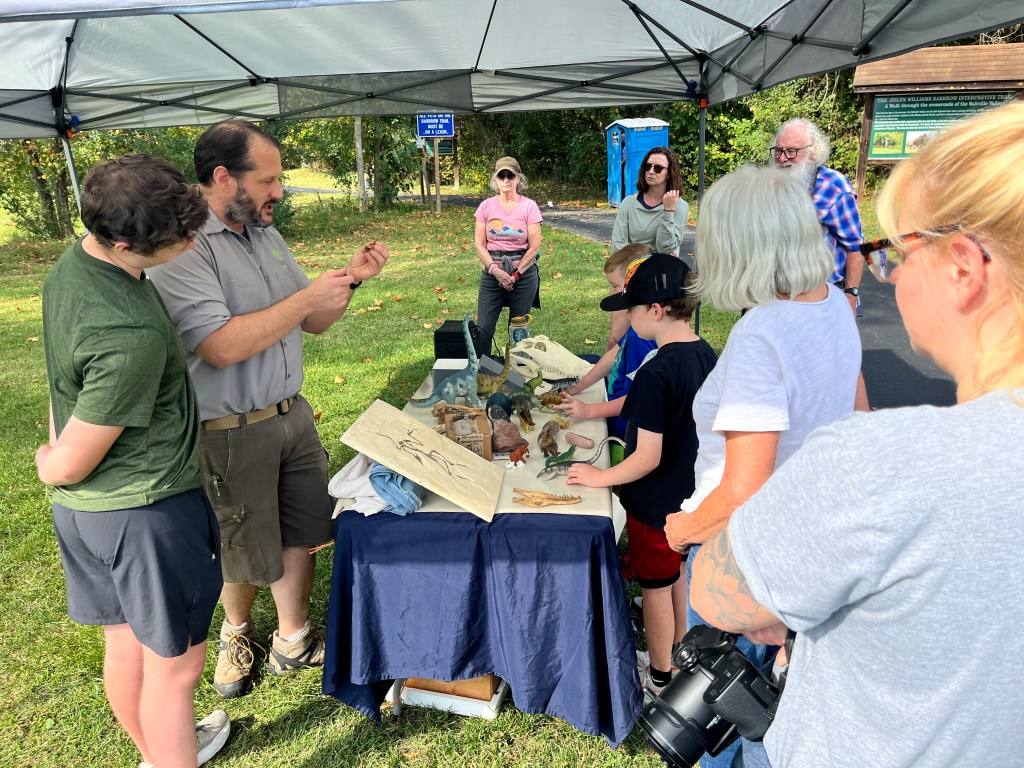
We were lucky to have area partners who would share information with visitors. Jeremy Stout from the Steele Creek Nature Center brought bones and fossils and cool information and the kids loved it! (So did the adults!)

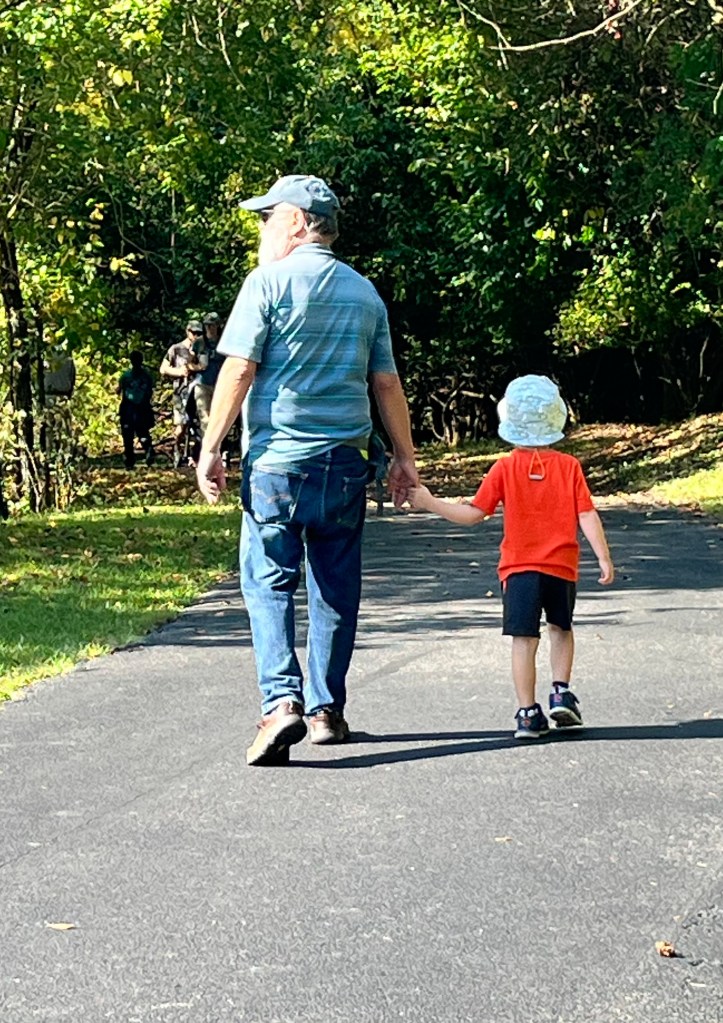
The festival was truly a family affair! And visitors included community members wishing to learn more and even well-known experts in the bird and environmental studies community.

A budding birder!

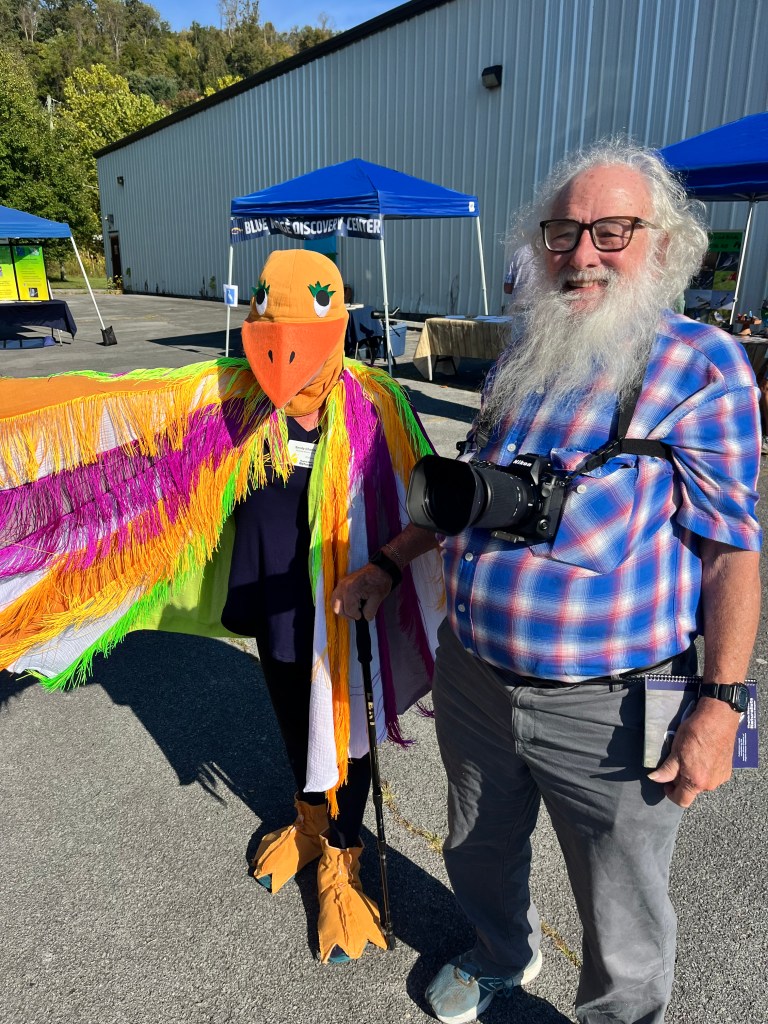
HRVMN volunteer Sandy Chambers got into the fun by creating her own bird costume for the event! We’re not sure what species she is…maybe a Yellow-billed Fringed Pipit. Dr. Vernon Hicks drove down from Kentucky to enjoy the event!

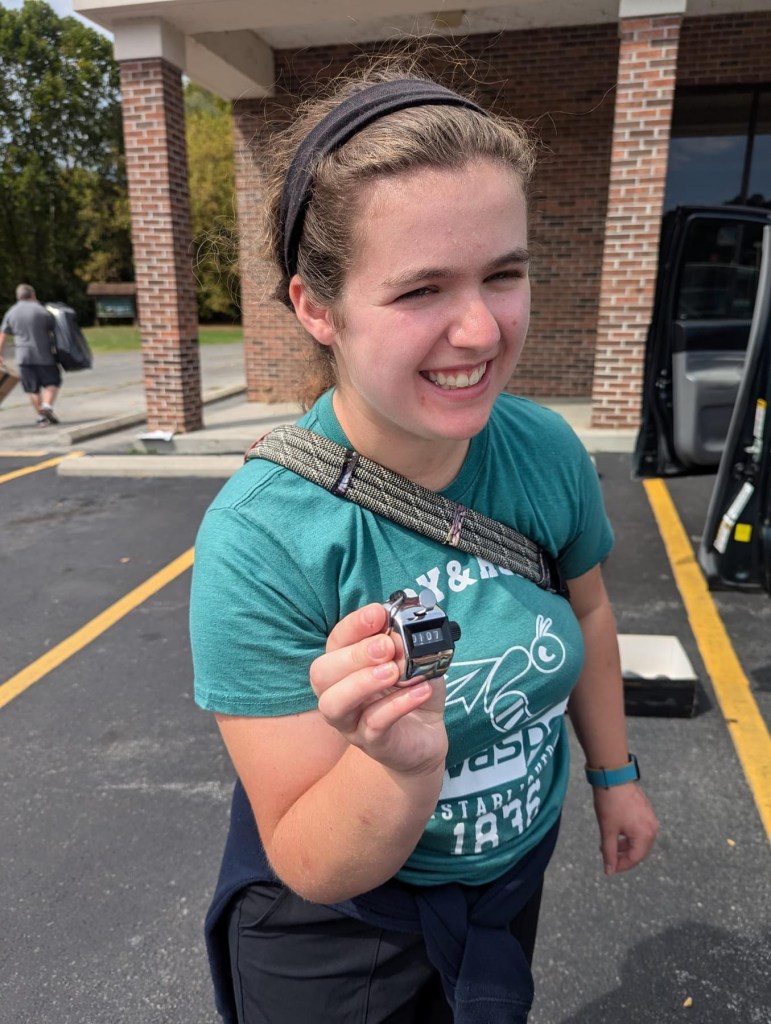
E&H Student Anna Woodall got the joy of wrapping up the day by showing us the clicker that proved we had more than 100 participants over the course of the morning!